
What we do
REFORMING THE PHILIPPINE EDUCATION SYSTEM

For years, the definition of success in education was measured as (a) Access to education and (b) the provision of education materials and infrastructure in basic education. It was a numbers-crunching exercise of indicators. Little attention was paid to Learning as argued in the World Bank’s World Development Report on the topic of Learning in 2018. To be fair to the Philippines and the Department of Education (DepED), other countries around the world fell into the same trap.
In 2018, the Philippines, through DepED, participated in PISA (Programme in International Student Assessment) for the first time to abysmal results. A year later, the country participated in TIMSS (Trends in
International Math and Science Survey) with similar results. A third large-scale international assessment, SEA-PLM (Southeast Asia Program Learning Metrics), confirmed the same conclusions.
Different groups in the country, particularly those participating in the DepED-organized Education Forum, have recognized the gravity of the situation and have raised the alarm bells. The call for a second Education Commission 30 years after the first EDCOM has been even as educators lament the fact that a number of issues today mirror the issues back then. Did we not, as an education system and as a country, not learn anything from the first EDCOM?
In discussing the Philippine Education system, critical questions are asked. How is the system organized? Why is it under- performing? Why is overall learning low? How can the state of low performance be remedied?
The essays look at the education system as a series of education levels a child goes through in their journey to becoming fully functioning member of society. Each level adds more value to what a child learns, each level having different learning objectives. The topics will focus on what we need to focus on to re-do basic education so that it supports the future/present growth of society and the economy. Using education as a lever, how can we help turn a weak state (the Philippines) into a moderately strong state [i.e. aperforming state]?]
News & Updates from the Program

PISA AND WHAT IT REVEALED ABOUT THE QUALITY OF OUR EDUCATION SYSTEM
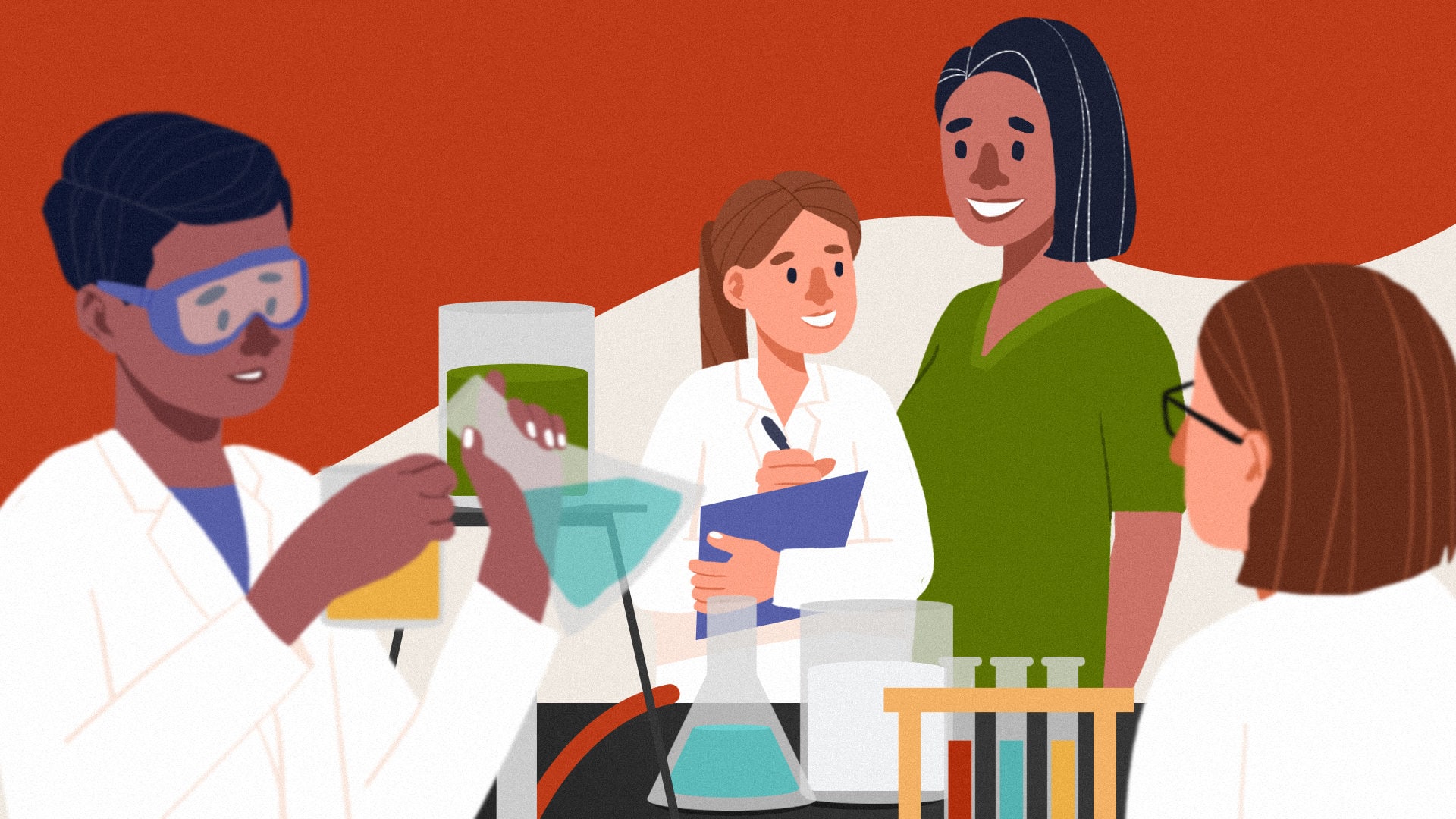
Artwork by Alyssa Arizabal (httpswww.instagram.comalyssaarzbl) The spotty quality of Philippine...
LEARNING TO THINK BY SUBJECT MATTER DISCIPINE AND BEYOND
Artwork by Alyssa Arizabal (https://www.instagram.com/alyssaarzbl) THE TRANSITION FROM ELEMENTARY...

PRIMARY LEARNING METRICS: HOW ARE FILIPINO ELEMENTARY CHILDREN LEARNING?
Artwork by Alyssa Arizabal (https://www.instagram.com/alyssaarzbl) PRIMARY LEARNING METRICS The...

Developing Functional Literacy and 21st Century Skills
In the lower primary years of Grades 1 to 3, we want our children to learn simple literacy and...
Today’s Reality in Philippine Learning
In 2018, the Philippines participated for the first time in the PISA international assessment test...

Kindergarten: The First Step in Formal Education – The Need to Get Children Started Well
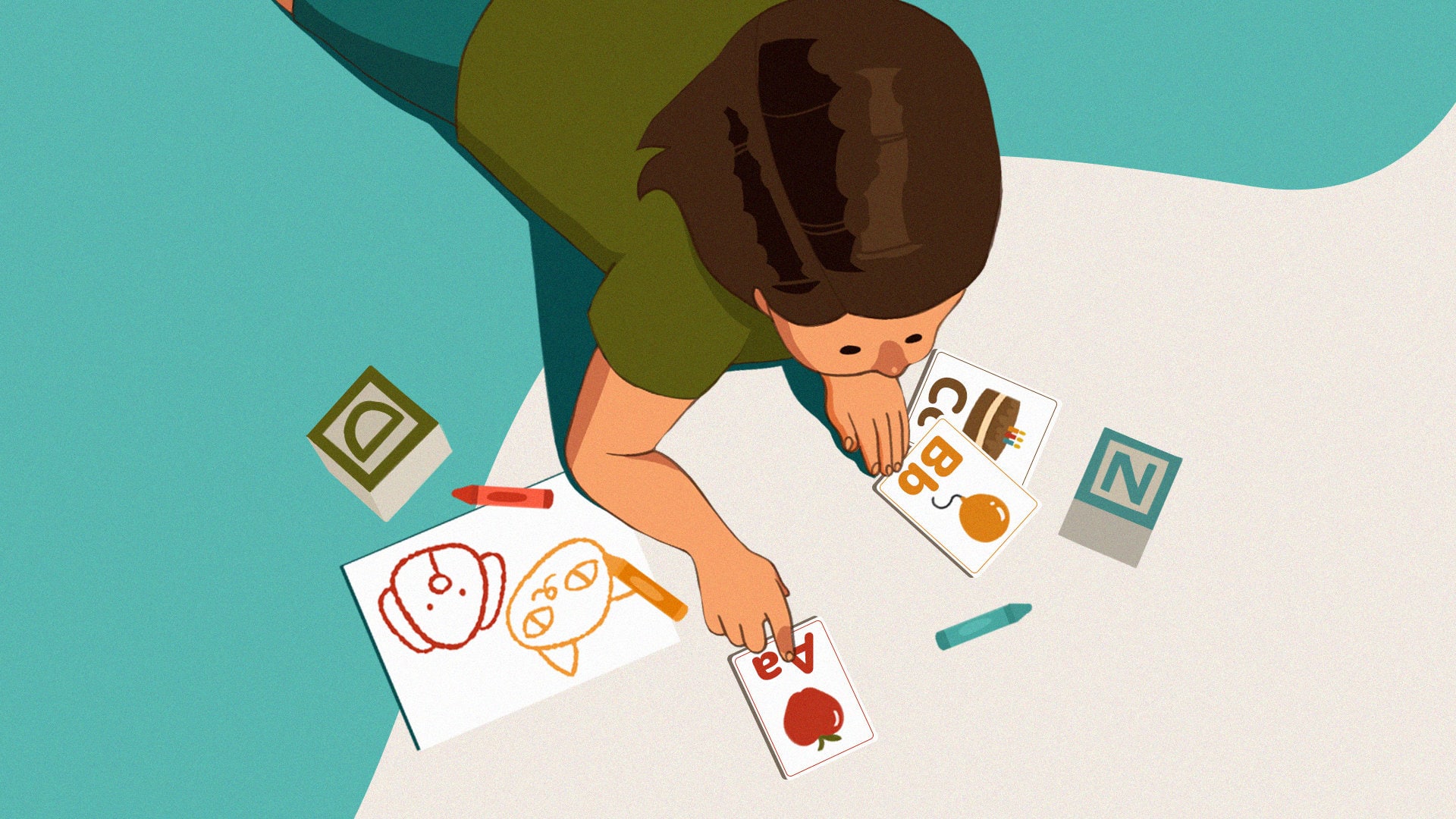
Art by Alyssa Arizabal (https://www.instagram.com/alyssaarzbl/ Kindergarten is the...